Blog
Does Fiber Internet Need a Modem?
Published · By Lou Flores · 7 min read
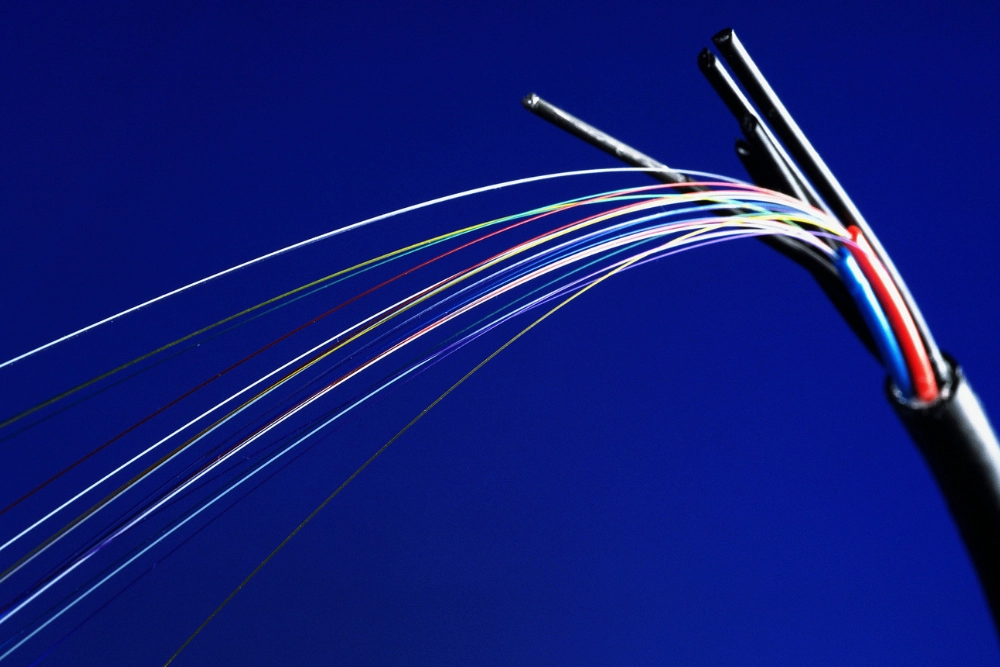
Fiber internet generally does not require a traditional cable or DSL modem. Instead, most fiber connections use an Optical Network Terminal (ONT) to convert the fiber-optic signal into data that can be used by a home network.
A router is also commonly required to distribute the internet connection to computers, smartphones, televisions, smart-home devices, and other connected equipment.
For homeowners asking, “Does fiber internet need a modem?”, the key distinction is that fiber technology uses different equipment than cable or DSL internet. Understanding the roles of the ONT, router, and other network components can help you determine what equipment may be required for a fiber internet connection.
Why Doesn't Fiber Internet Use a Traditional Modem?
Cable, DSL, and fiber internet use different technologies to transmit data.
Traditional modems are designed to work with signals delivered through connections such as coaxial cable or telephone lines. Fiber-optic internet transmits data using pulses of light through fiber-optic cables.
Because fiber uses a different transmission method, a conventional cable or DSL modem generally does not connect directly to the fiber line. Instead, fiber installations commonly use an Optical Network Terminal, or ONT, to establish the connection between the fiber network and the home's networking equipment.
What Is an ONT for Fiber Internet?
An Optical Network Terminal serves as the connection point between a fiber-optic network and a home network.
Fiber-optic signals travel as light, while routers and other home-networking equipment require electrical data signals. The ONT converts the optical signal into a format that compatible networking equipment can use.
A basic home fiber connection can be represented as:
Fiber-optic line → ONT → Router → Connected devices
The exact configuration depends on the internet provider and the equipment being used. Some providers may supply equipment that combines multiple networking functions within a single device.
For this reason, the term “fiber modem” is sometimes used informally to describe an ONT or similar equipment. However, an ONT is technically different from a conventional cable or DSL modem.
Fiber Modem vs. ONT: What Is the Difference?
Although a modem and an ONT both help connect a provider's network to a home network, they are designed for different technologies.
A traditional modem works with internet connections such as cable or DSL. An ONT is specifically designed for fiber-optic service and converts optical signals into usable network data.
As a result, references to a fiber optic modem may actually describe an ONT or a gateway used as part of a fiber installation.
For homeowners, the primary consideration is equipment compatibility. The devices used for a fiber connection must meet the technical requirements of both the fiber service and the internet provider.
Do You Need a Router for Fiber Internet?
In most home networks, a router is required if multiple devices need internet access or Wi-Fi connectivity.
The ONT handles the connection between the fiber-optic network and the home's networking equipment. The router then manages and distributes that connection among connected devices.
Depending on the equipment, a router may provide:
- Wi-Fi connectivity throughout the home
- Ethernet connections for wired devices
- Local network management
- Connectivity for computers, smartphones, televisions, security systems, and other smart devices
Some internet providers supply gateways or other devices that combine several networking functions. As a result, the number and type of devices installed can vary by provider.
What Equipment Is Needed for Fiber Internet?
The equipment needed for fiber internet depends on the provider, the property's existing infrastructure, and how the fiber service is delivered.
A home fiber internet setup may include:
- A fiber-optic connection
- An Optical Network Terminal (ONT)
- A router or gateway
- Ethernet cabling
- Compatible Wi-Fi or networking equipment
Some homes may also benefit from mesh Wi-Fi systems, Wi-Fi extenders, or additional wired Ethernet connections depending on the property's size, layout, and connectivity requirements.
An existing cable modem should not automatically be considered compatible with fiber service. Equipment designed for cable or DSL technology serves a different function from the equipment used to terminate a fiber-optic connection.
How Does Fiber Internet Connect to Your Home?
A fiber internet connection begins with the provider's fiber network reaching the property.
The fiber line connects to the appropriate termination equipment and ONT. The ONT converts the optical signal into data that can be transmitted to compatible networking equipment.
The connection can then pass to a router or gateway, which distributes internet access throughout the home. Devices can connect through Wi-Fi, Ethernet, or a combination of both.
Installation requirements vary according to the provider and property. Before purchasing networking equipment, homeowners should confirm which devices are included with the service and whether additional equipment is required.
Can You Use Your Own Router With Fiber Internet?
Using a personal router with fiber internet may be possible, but compatibility depends on the provider and service configuration.
A router generally does not replace the ONT. Instead, a compatible router may connect to the ONT or other provider-supplied equipment.
When evaluating a router for fiber internet, consider whether it:
- Supports the speeds available through the internet plan
- Includes the appropriate Ethernet or WAN connection
- Meets the internet provider's equipment requirements
- Provides sufficient Wi-Fi coverage for the property
- Can accommodate the number and types of connected devices in the home
Router capabilities are particularly important when upgrading from an older or slower internet connection. Networking equipment that was sufficient for a previous service may not be capable of supporting the performance available through a newer connection.
Do You Need to Buy a Fiber Modem?
Not necessarily.
Because fiber installations generally use an ONT rather than a conventional modem, homeowners should confirm their provider's equipment requirements before purchasing a device marketed as a fiber modem.
The provider may supply an ONT, router, gateway, or a combination of networking equipment as part of the installation.
Understanding which equipment is already included can help determine whether additional hardware is necessary and reduce the risk of purchasing incompatible equipment.
Understanding Fiber Internet Options in Vancouver, Washington
For homeowners evaluating internet options in Vancouver, Washington, equipment requirements are only one consideration.
Provider availability, connection speeds, property compatibility, Wi-Fi coverage, and the number of connected devices can all influence the appropriate internet setup for a household.
At AllStar Home Solutions, we help customers understand available Fiber Internet options and other home connectivity services.
For additional information about fiber internet and the equipment that may be required for your home, contact our team at (360) 334-2375.
Frequently Asked Questions
Does fiber optic internet need a modem?
Fiber internet generally does not use a traditional cable or DSL modem. Instead, fiber installations commonly use an Optical Network Terminal (ONT) to convert the optical signal into data that compatible networking equipment can use.
Is an ONT the same as a modem?
No. Although both devices help establish an internet connection, they work with different technologies. An ONT is designed for fiber-optic connections, while conventional modems are associated with technologies such as cable or DSL.
Do you need a router for fiber internet?
In most home networks, yes. A router distributes the internet connection from the ONT or other provider equipment to devices throughout the home and provides Wi-Fi connectivity when supported.
Can I use my old modem with fiber internet?
A conventional cable or DSL modem generally cannot serve as the termination device for a fiber-optic connection. Equipment compatibility should be confirmed with the internet provider before installation.
Can I use my own router with fiber internet?
It may be possible, depending on the provider and service configuration. The router should support the connection speed, required interfaces, and any technical requirements established by the provider.
What equipment comes with fiber internet?
Equipment varies by provider. A fiber installation may include an ONT, router, gateway, or a combination of these devices. Confirming what is included before purchasing additional networking equipment can help avoid compatibility issues.
Compare internet and mobile options
Share a few details and a member of the AllStar team will follow up to discuss the internet and mobile options available to you and next steps.